FMP – Initial Concept research & group tutorial

This week I spent my time researching and finding work that related to my themes. The images below are all work from artist and designers that relate to displacement, cultural clashes. The first work that I found moving was the blue editorial on the top left, this work was about words and cars. The editorial design works with how different lorries from countries are going in and out of countries. I found this so interesting because its a different perspective focusing on lorry as they are huge travellers around the world. People always seem to focus on human migration but lorries and the drivers are also migrating too. The work on the top right focuses on cultural displacement from Joy Miessi’s self-documentation artworks communicate the feeling of displacement, a black artist she uses mixed media to communicate her experience. I think the mixture of words, illustrations and colours created a beautiful work. The black manipulated work is editorial by RAN PARK, a editorial focusing on Konglish called “Lost in Konglish” RAN PARK IS a graphic designer from Ulsan, a coastal city in South Korea. Not long ago, she visited her home country after five years of studying in London and Los Angeles, and noticed something strange: the local language had changed. “People had started using English words as if they were Korean,” she says. Local fruit vendors sold “바나나,” pronounced “banana.” Electronics stores had posted advertisements for “컴퓨터,” pronounced “keomp-yut-eo,” or “computer.” The words looked Korean, but they sounded distinctly English. Park’s observations inspired her latest art project, a zine filled with artfully smudged definitions of English words that have burrowed their way into the Korean language. She calls it “Lost in Konglish,” after the macaronic form of English sweeping through South Korea. Konglish follows few strict rules. It includes loanwords like camera (written as “카메라,” pronounced like “camera”), and ice cream (once again, written as “아이스크림,” but said like, “ice cream”). Not all terms copy English exactly; nail polish (매니큐어), for example, is pronounced like “manicure.” Konglish also encompasses mistranslations, as well as fabricated phrases that incorporate English words but aren’t easily understood by English-speakers. The Korean translation for “cell phone,” for instance, is “hand phone.” To that end, she designed “Lost in Konglish” to become less and less legible as you flip through it. She also created graphics of new letterforms that fuse the shape of Korean Hangul letters with English ones. The artful distortions and smudges grow more intense, until the text becomes indecipherable. “It becomes more chaotic, because the phenomenon is more serious,” she says. “There is communication missing.”

The work at the bottom right is by Tanya Houghton, her project is called “A migrants Tale” this project focuses on food and migrants, the relationship they have with it and how memory plays a large role. The visuals consist of migrants ingredients they have memories with and a portrait of them. Reading all the memories and importance of these ingredients o objects to these migrants are really heart warming and touching. I think the project is beautiful and it gave me the idea to focus on food, it’s a area that is very important in my culture and maybe I can find links between my themes. The work right in the middle is by Francis Alys, belgian artist I have studied his work before and loved it for pyhchogeography focuses on flaneurs and displacement but this project really touched me because Turkey was part of it. The project is called watercolour, the minute video consists of him taking a bucket of water in Trabzon, Turkey then pouring it into Aqaba, Jordan, from black sea to red sea. I believe his aim is like hes painting watercolour by mixing the two parts of seas around the world. I think its inspiring and so intriguing like a such a small thing that people always forget or wouldnt think about. Using two waters from different seas and mixing them I think is beautiful. He’s an inspirational artist that works around war, politics, displacement these are themes I am also interested about so im glad I get to study his work again this project.

In addition, another inspiring artist Ai Wei Wei also created work about he organises a trip for 1001 Chinese people to go to Germany and explore the city. He documents the whole journey and pays for everything. The project is called |”Fairytale”, I watched some parts of the documentary these people have never left China so their experience is like a fairytale because it’s a new world, something they have never seen before a completely new culture and surroundings. I think it is a great project and fits very well with cultural displacement because those people will feel out of place, the culture and way of life is opposite. The feeling and their experience can be seen in the documentary. The last project is by Gloria Wong which is a photography project, in an interview she gets asked “You say on your website that your work explores the nuances and complexities of East Asian diasporic identities. Tell us a bit more about this.” she responds this way “I once had someone describe my work as sitting on “cultural fault lines”, a space where home and displacement meet, and where multiple cultures intersect and diverge. A lot of my practice has been informed by the experience of growing up in an Asian-Canadian household. Much of my family history has been marked by migration, with my grandmother originally coming from Macau and my parents immigrating from Hong Kong. I hesitate to only identify as Chinese-Canadian, because both Macau and Hong Kong are in the process of negotiating the consequences of their colonial histories, caught in a liminal space that isn’t fully Chinese but also not fully Portugeuse or British respectively either. There’s a really beautiful quote by Justine Kurland in an interview I read where she refers to domestic labour as “the work it takes to stay related”. I feel like that sums up a lot of my practice too. I’m looking at family and the work it takes to maintain these familial relationships but at the same time, I’m also trying to hold on to a relationship with both of the cultures I’ve grown up in, negotiating all of this within the context of the domestic space” Her work focuses on dispora, identity and family which is exactly the theme I wanted to focus on and bring into my project. Her photographs and so delicate and homely, Gloria photographed her parents house and she can find both cultures which is so interesting just like my home, the experiences migrants have are sometimes very similar.

Do Ho Suh is “bridging home” in a new, large-scale outdoor installation in the heart of London

Suhs works related to home communicates the displacement and living between two cultures just like the work above, he placed a traditional building in Korea in middle of London , the work  reflects the artist’s own experience of moving across continents and between cultures, and continues his career-long investigation of memory, migration, the multiplicity of the immigrant experience, and home as both a physical structure and a lived experience. Suh comments, ‘It is hugely rewarding to create a public work in London, my adopted home. For me, a building is more than just space. It is not only physical but also metaphorical and psychological. In my work I want to draw out these intangible qualities of energy, history, life and memory. While Bridging Home, London  comes from personal experience, I hope it is something a lot of people can relate to

In Home Within Home, Do Ho Suh will present a series of works that reflect the artist’s ongoing exploration of themes surrounding cultural displacement and the co-existence of cultural identities, as well as the perception of our surroundings and how one constructs a memory of a space. Suh’s own feeling of displacement when he arrived in the U.S. in 1991 to study at RISD led him to measure spaces in order to establish relationships with his new surroundings. Years later, the artist developed the idea of taking these measurements and using them to replicate and transport spaces. Suh constructs these architectural spaces and the elements within them in various mediums including fabrics, resin, and Styrofoam. Among the works exhibited in this show will be Fallen Star 1/5, Home Within Home, and a series of fabric objects, all personally revealing works which invite viewers into his homes.

I created a very brief mind map of all the themes and projects that inspired me, the main themes at the moment is belonging, community, culture and home. The Do Suhs project really inspired me as one of the articles I read before said it is now the “age of migration” , bridging homes and findings connections between them is really interesting to me. In addition, Francis work of water colour was also really interesting, it made me think about differences we have like the cultural differences, maybe i can merge Turkish and British culture as they are both part of me. This can be ade using objects? food? maybe typography I thought i can find two objects one from Turkey and other one from Uk to create aa project on it. I need to research what those would be. Im still at the ideation and searching process but it is already so interesting to me. I have a group tutorial with David and I want to have couple of ideas for the next step. I want to do some visual research as well as he wants ro see the research and ideas process.

the below are some of the visuals I like, or i found interesting. They are mainly typography based this could change in time when I know what I want to do.

Group meeting.

I created a presentation to show David the progress I have been making since we last spoke, I have been doing loads of artist research which includes designers and also other mediums because I think it will help me expand my creativity. The presentation went really well i spoke about all of the inspiring work I found and I created 2 ideas. The two ideas was the first one is I want to interview with Designers and Immigrants to hear their experiences and insights on displacement and living away from home. I want to discuss the cultural clashes, any memories they have which stands out to when they realised this is not my home. I want to speak to designers in ME studio and Turkish actor Memet Ali Alabora. The second idea is focuses on food and traditional dishes which people connect together. One thing we carry over with us is the foods we eat with our family and friends and the memories always so clear. Especially when I was younger massive dinner tables were my favourite times. This concept focuses on Turkish peoples connections with food and whether they have any memories. A zine to create a document to share with other people. I spoke to David and his feedback was very positive he suggested I should check our Rick Steins Istanbul documentary as he visits and tries traditional dishes. In addition, he said stay away from holiday related themes as they are cliche. He also added don’t get lost in research which I will keep his advice. From the meeting I felt really positive and confident with the idea. I had couple of ideas such as a publication editorial design is something I loved in first year and i did really well in. I could bring that back and also food wise as my family is from Adiyaman which is a is a city in southeastern Turkey, the food culture their is really insane and it so many dishes that are historical and i would love to shine a light on these dishes to tell these recipes. The most special and interesting foods can be really interesting to read an i would learn along the way as well. In addition, UK people most know Turkeys food culture as kebab but showing the diversity from vegan options to very meaty and interesting dishes can be really cool. I think I will just keep researching and mindmaping to find a route I want to take.

My final idea was I wanted to merge the two concepts together I want to create a publication that I can include interviews and recipes about food. I want to carry on researching and create the content I want in my publication.

Next step

I want to do primary and secondary research as I want to develop my research skills and develop my project evidence based. If I will interview people I need to figure out my audience and prepare interview questions.

Reference

https://art21.org/read/do-ho-suh-seoul-home-la-home-korea-and-displacement/

https://www.itsnicethat.com/features/gloria-wong-the-graduates-2020-photography-170820

https://www.wired.com/2016/09/beauty-perils-konglish-korean-english-hybrid/

https://www.dw.com/en/chinese-artist-makes-fairytale-come-true-for-1001-visitors/a-2607967

https://www.victoria-miro.com/news/1067

https://www.itsnicethat.com/news/do-ho-suh-bridging-homes-art-260918

FMP – Mindmaps

I started doing research on influences of culture shaping our identity and migration. I found so many artists which focus on migration and belonging. I started to focusing on stuck between cultures, from this I created a mind map that comes to my mind about anything and everything. From my experiences growing up here I know language is a hige barrier and I had to learn english in school. So for this I thought about the influences it has on me such as feeling embarrased, feeling like an outsider when I didn’t know anything. These thought brought emotions such as feeling lonely and isolated. I also thought about the turkish culture and british culture how polar opposites they are, such as my household was wuite traditional and we have a strong community sense where we live back home. This includes topics like religion, cultural values, in most cases I hated the community back home becayse it was a pressure to always fit in and live in the same ways as everyone else. I feel like most immigrants including my culture too, we always try to stay connected back home using different ways such as Eid, a religious day for muslims where we celebrate with family, we always do it every year knowing we’re not actually back home and it doesn’t feel special like it does when we are back in Turkey. However, everyone always tries to make it a thing because it connects us back to our heritage. There is always the “neighbourhood pressure” this is a term used in turkey a lot where you care about what people around you who are not necessarily related to you think about you, their opinions of you matter and reputation in the society.

I also thought about identity, from this linking it to culture I was thinking about creating a project on my personal challenges going through my experience and documentation. This includes typography merging cultures, I never created a typeface before so I think this would be really good for my portfolio. I thought home difference between home and public, in some ways it creates two personas for many people even from my experiences, some people can behaviour changes which to me was always odd. The two personas includes turkish and british culture, questions such as “where do you like the most” when I was little was something I always asked from people around me. I can develop the two personas and create a project on this which seems like very vague but with research I feel like it could be interesting.

David group tutorial

Today I had a group tutorial with David and we all spoke about our ideas. I chose to speak about stuck between two cultures and I explained my experience with it. David and other people in the group found it really interesting. They suggested I could look into things like AIR BNB branding, they focus on belonging wherever you are in the world. I think belonging is a very interesting topic which relates to my idea. Other examples was suggested such as bend it like Beckham film, I watched this film before and it focuses on immigrants living in UK and gender roles most importantly. Its shows belonging and how immigrants try to say connected using their culture. Someone mentioned the word distance, as one of the members lives away from their extended family and talked about the way how being far away from home it’s weird to celebrate traditional days because it doesn’t feel the same. David suggested I should read some articles and Michal Iwanowski, a photographer in Cardiff which I studied back in Psychogeography. David mentioned this project relates to psychogeography so he said research on that route.

The next step was to research work on these issues and learn more about it. I like doing existing research as it gives me inspiration and see where has people taken their ideas. It’s always exciting and benefits my practice.

Dissertation Design – Research, development and final designs

Today David launched the dissertation design brief where he wants us to create a 5 double page spread and a cover image for our dissertation. Last year, the thirds years had to create the whole dissertation whereas we only have to do 5 double page spreads which is way nicer as the work load is a lot this term. We have FMP on the side as well as this project, the first workshop we had was to get us back into editorial as we did it first year last time, the workshop was about hierarchy and typefaces, we had small tasks went from hard to easy where we could use different sizes, colours, typefaces to only 1 of those. I worked with Georgia through teams which was challenging as explaining where to place text or image on camera is way harder than working together in studio next to each other. I liked the workshop was we was able to work together and get into layout and hierarchy mindset for editorials.

The next step was doing mind maps about what my dissertation is about and what am i trying to communicate. My dissertation was actually critizing graphic design values and the negative effect it can have on society. The title was called “What is the role of graphic design in the social reproduction?: The graphic designer as an organic intellectual in a class society”, it was a very challenging dissertation as it was a lot to do with sociology, society and culture which was something I haven’t written about since college. In this diss, I first talked about what is graphic design how to define it then focused on marxism, capitalism and how graphic design can be used in social reproduction, I had to explain what social reproduction which is everything we learn in society, culture norms values, reproducing the society basically. Using examples of graphic design I argued in the paper design can benefit the capitalism to reproduce society using ideological meanings and symbols. One of the main examples was social class, class stereotypes are produced in adverts by using signs and symbols which fit into the stereotype, by this was you are reproducing the stereotypes and reproducing the society. In addition, I used Brexit campaigns as an example how billboards by Nigel Farage was reproducing the hatred and misconceptions about immigrants to get the votes from public, basically brain washing people to believe their ideology through those billboards using photos and slogans to gain votes. Theres so much in the dissertation as its a 10k worded diss so I have loads of content that I can include.

My dissertation focuses on challenging the graphic design ethics and values, it critizes the how graphic design is a tool in the capitalist system to reproduce the ideology of the dominant culture. It is about reproduction, manipulation using symbols and signs which reproduces the capitalist ideals which is unequal and favors the upper class needs. I also focused on consumerism which is also a chapter which has a lot of material for imagery. I think i need to make sure I choose a good chapters which has a lot of material for imagery so I can communicate it properly. The next step as I think the tone of the language will be brutalist, and bold as im challenging the values, I kind of though about breaking the grid systems and layout as thats traditional graphic design which is now being used in the society. As its about challenging the ethics, I think if I play on the grid systems and break down apart that would communicate the feeling of the dissertation, as my position is graphic design is being a organic intellectual which is defined by Gramsci a marxist theorist arguing organic intellectuals reproduce dominant ideologies in society which reproduces dominant culture. As visuals I was initially thinking about something like this, first page will be very clean and modern traditional graphic design mainly Bauhaus style then next page is with dark and neon colours which is very brutalist style to show the “real” side or more like the dark side of graphic design with examples.

We had a group meeting with David and he really liked the idea of first starting off really clean and traditional then breaking the grid and being experimental he said the traditional grid systems needs to be really clean and spot on so that it can have the effect I want to achieve he also gave me couple of examples to look at such as Matt Wiley and Grid and layout books to create perfectly.

The moodboard I created for the initial group tutorial to show the type of style I am going for, as you can see theres similarities such as the heavy bold typography as titles, the use of symbols and signs, especially the body copy on the bottom right David really liked that as it was experimental and challenges the traditional style. I love Matt Wiley’s designs (Paler Fire) article, the use of bold wide typeface, three paragraphs and massive photo which covers the page, it is simple but I really love the style. I think this was a good start to understanding what I’m trying to do.

The next step I think was to figure out which sections I will be using as we’re allowed to pick chapters we want to design. This section I went on my dissertation and made notes which parts which will make the most effect and that communicates the point of the dissertation.

Potential Imagery

For Brexit chapter– manipulated image of Nigel Farage, symbols arrows conservative logo broken down,

EDITORIAL RESEARCH

These are some of the editorials I liked with similar styles and approaches but not really about my topic, im actually finding it hard to find designs similar topic as I believe my topic is not common thing many people do, bringing sociology and graphic design together. This first editorial design is called Dramaturgias #1 is a publication about contemporary Brazilian theatre, I loved the paragraph layouts but especially the bold typeface, its very eye catching and very similar to Matt Wileys style on my mood board. I love the large A to start the paragraoh it draws the attention to the text and creates stronger hierarchy, the other detauls such as page number etc are also standing out on the page. In addition, the same typeface is used for the callouts above the paragraph.

CORONO MONSTER NEWSPAPER

This is a newspaper design published about the conspiracy theories, so the design has that approach tone of language I really liked it, its very experimental and in your face with all the stupid and other theories since the pandemic. It feels like dark and too much on the page. The pages have several call out quotes, questions related to the pandemic, text overlapping paragraphs which is hard to read, black and white images also in a collage form around the page. I think its really good very experimental and as if theres no grid , like a structure or a system just like the pandemic was no one knew anything about it, everyone had something to say etc. I like this style which can be good inspiration for my design, its experimental and full of information vert text heavy as I don’t think I will include this much text, it will mainly be imagery as the most important thing and shorter paragraphs.

Crossing Frontiers / Sınırları Geçerken

This publication is also really nice, focused on typography black anf white colour scheme which very legible body copy design. It’s very simple and modern as the most interesting thing is the long wide typeface used in the title, also another sans serif used for the call outs, subheadings which creates stronger hierarchy and visual system. As the publication is in bilingual theres a lot of text on both pages. I think its a good clean system that can be used in the first section of the editorial

Graphic design, ethics and capitalism / MA Thesis design

I finally found editorial design which is similar to my dissertation, the topic is graphics, and ethnics. They responded with an editorial which focuses on blurs, fuzzy colours to show off the unclear lines between good and bad design, as the ethics of graphics which is argued between several groups. I do like the gradient between several colours its very interesting. Using blurs and fuzzy gradients would be good way to show especially black gradient. I think it was a good inspiration to see how people design in this topic as i think it’s a hard thing as there isn’t a clear imagery that can be used.

A small mind map to show my ideas and the things I could use in the editorial I think i have some potential ideas just needs to refined and I need to make a decision where to take it. I have ideas such as manipulation on words and gradient which does work really well with the concept . In addition I can also work with images and repetition which can potentially work. I think I need to do some more research just to clarify the style I want to have then I can start sketching and designing.

Moodboard –

I made another mood board because I felt like I was really struggling I don’t know I was finding it hard to visualise what the diss design would look like I think its because my dissertation was a very hard process and I want to block it out and rush to create something. In addition, its very sociological and the visual ideas I have I feel like it would be too confusing. At the moment I went back into the research to try and clear my head to find a path that I can follow which will allow me to create a clean design. The deadline is creeping and i think the stress of it is pulling me back from creating something as I keep thinking about all the things I need to do. The mood board did help me though, there was some body copy layouts I liked which would fit in with the challenging side of graphics, breaking systems and experimenting, heavily influenced by Matt Wiley as well. As I wanted to combine traditional grid system but also very experimental layouts its hard to merge those together. The mood board gave me couple of ideas and inspiration so I think I just need to design something now to get out of the creative block.

SKETCHES

I did some sketches on my ipad from all the inspiration and mood boards, they are only couple but theres some ideas I know if i merge them together it will work very well, I am starting to figure out where I am going with this project, it was a challenge along the way but I think i was confusing and making it really complex for myself. Sketches focus on some traditional style as I want ot start it off like that as the first chapter is all about traditional definitions of graphic design then it moves into role of graphic design which is the challenging section.

VISUAL DEVELOPMENT

I started off by choosing a colour that was vibrant and eye catchy, it was this bright neon blue which is instantly in your face. Then I started to think about which chapters I will include, I want to include chapter 1 which is what is graphic design, it includes some interesting points of defining the medium and I think it is needed in the editorial. In addition, I want to include some parts of what is social reproduction because that is what this dissertation is about. I started to play around with repetitions and blurs as I believe these can be good way to communicate, repetition links closely with reproducing culture and ideas then blurs and fuzzy colours related to the unclear ethical issue about graphic design, it is really that transparent and pure? the fuzzy blurry colours create unclear feelings which is what the dissertation focuses on, as especially with examples in the dissertation, I wanted the feel to be modern but experimental such as body copy systems, breaking the traditional grid system allows the essence of the dissertation come across. It challenges and goes against the grids because it is rejecting the traditional advertising culture. The typeface I am using for body copy is Helvetica regular as a traditional typeface, and then Neue Grotesk as display font. The point size is 10 and 15 as leading.

The next step is I want to show these pages to David and see what he thinks, I feel like i need some feedback to go with the next step.

I had a tutorial with David and he was very positive about the design at this point, he liked the way it was going and he suggested I should check this book out for inspirations and it was really helpful. Receiving positive feedback really gave me confidence and I was looking forward to finishing it now. The next step I worked on was the one single image below, the two paragraphs which is cut up and pullout quotes on the sides, this idea was an inspiration from the moodboards I created very early on. I knew I had to break guides and be experimental with it, I separated the body copy into sections and positioned them so they have gaps, some parts overlap each other as well. I wanted to develop this page even more as it needs something on the right page too. The images on bottom left show the next couple of spreads, the one on the far left, I focused on block heavy paragraphs, this was very different to traditional systems as it was hard to read, too much on the page. I created different shapes with the block paragraphs, I then wanted to use some colour just like I did in other page. In the book I saw this feature where the gradient comes from the spine I have seen in this style in many books and I even tried it out in my FMP project but it didn’t fit the system. However I think it is perfect for this design system. The slow gradient coming from the spine makes it feel like it it will be moving, also it will only only a small section which means the most attention is still about the body copy. The title is placed on the side bottom right, it’s not a good hierarchy as usually it should be at the top but i think it worked with this system. I really like this page, I think it is exactly what the editorial needed, breaking the structure and taking it up a level compared to other pages, The middle design is the cover draft design, I was playing around with breaking the title and trying out different layouts. I used the same typeface through the design. The last design on the right is the last spread focuses on heavy pullout quotes covering the whole page. The gradient this time comes from the left side covering some parts of the text. I think this page the helps the pace throughout and the heavy blue text really stands on the page. I am really happy with the way it is goingI believe I have some couple minor changes to make then I think I will be done with it.

I made some minor changes to both pages below, the cover page I moved all the title to the right and added some gradient. Originally the gradient was covering the whole page but I spoke to Carol earlier and she suggested it should still be readable so I moved the gradient higher up so it takes less space but there is still some parts of the text covered. The next spread is the one on the right, I added couple things and changed the position of the title, I added a pullout quote which is a strong quote from the diss that shows the essence of the dissertation, I separated the quote into two parts as well. The title is on the top fat left which I think it looks good from there didn’t want it to take too much attention. I used gradient as a main visual because I think graphic design focuses on pretty and good aesthetic most of the time so a gradient is clean and very contemporary but it covers most of texts and page because as if these good aesthetics are covering the real important message and the role graphic design has. It acts camouflage, in the editorial whereas the reality and the real impact can be read in the dissertation. In addition, it also shows the fuzzy ethical guides, it’s not clear between whether design should be good or is the role just to do what the client wants from you. I believe I created a contemporary editorial design which gives essence of the dissertation, focused on clean visual gradient and typography-based system to communicate my dissertation.

FINAL EDITORIAL DESIGN

References:

https://www.behance.net/gallery/99204075/Dramaturgias-1-Sesc-Sao-Paulo?tracking_source=search_projects_recommended%7Ceditorial%20designs

https://www.behance.net/gallery/117904683/Jodi-Deans-political-essay-Comrade?tracking_source=search_projects_recommended%7Ceditorial%20design

https://www.behance.net/gallery/117234387/Crossing-Frontiers-Snrlar-Gecerken?tracking_source=search_projects_recommended%7Ceditorial%20design

FAMILY FUN CRITICALITY- Developments

I listened back to Wendys feedback and made notes on what she wanted improvements on. Firstly she said she wanted to me to write about what I thought about the covid new system working on online and teams as it was our first project.

COVID – WORKING ON TEAMS

The first project in third year we did was family fun and it was the first time we used this new system properly after the end of second year so it was very strange. I knew I would struggle with it though as I was a person who actively used the studio to work in, everyday I would go in and make the most of the studio space as a working environment so because of the pandemic all lectures were online so I had to find a way to work at home and feel good about it. The best thing I believe they did the first project was putting us into small groups were we all had the same brief but worked on our owns I think this really tied us into uni as I felt was I was looking the connection to uni even though i was doing the work I couldn’t see my friends in the course or have creative chats about our designs it all felt really repetitive at home the same room and same computer screen it was very hard to concentrate and feel creative but as we worked in a team we did workshops, small team meetings with mentors and clients which was so nice and helpful to speak to your peers in the group about our work as no one would really send their works in the chat unless it was a tutorial with David or Paul. I did go into uni couple of times but it was just very empty and it felt very awkward so I just tried to get used to staying ay home and working. The teams tutorials etc were very strange and sometimes hard to work due to wifi etc but it was still nice to communicate with people in tutorials. Overall, it was a hard adaption process working at home, feeling creative and motivated doing work but writing this blog post now and we’ve been doing this since October I feel much better and im used to it now. It of course doesn’t feel like it did before but hopefully we can all come together as some point.

CRITICALITY

After meetings with Theo, I knew I wanted to develop my outcome for criticality project because it was not up the standards that I usually work with and to develop it i started to research more. Theo suggested to me that i work on similar visual styles but focus on a different area such as older peoples stereotypes and mens stereotype. From this i knew i had minimal time as deadline was approaching and i decided to again work on my ipad and focus on the womens stereotypes but this time focused on other areas such as appreance. Since i was little i would always be seen “too white” to be turkish as the stereotype was that they are all dark and dark eyes. But in reality theres many different skin tones and eye colours depending on the area you are from. So from this i decided to work on a paler turkish women and write questions such as why are you so pale? do you have to wear a hijab? questions related to religion and apprearence are always asked and assumed where if people read about it you would know that thats not the case or if you visit you can realise.

The outcome was made on the ipad pro using my hand writing an a free image from a turkish photographer. I was happy with the outcome i also attached the design document. I also printed out my first post card and i actually really liked it,

printed post card

SECOND POS CARD IMAGE

Penguin Book Cover 2021

Today we had the launch of the new Pengiun book cover and I had a look at the three selection of books. I think I want to go with The Uninhabitable Earth, Book by David Wallace-Wells.

The Uninhabitable Earth explains how humanity’s complacency and negligence have put this world on a course to soon be unlivable unless we each do our small part to improve how we care for this beautiful planet we live on

Here are 3 lessons mismanagement of our environment demonstrate:

  1. Even enacting all the policy changes agreed to in Paris, we will still exceed the threshold where disaster begins.
  2. Without emissions reduction, we will see our oceans rise to fatal levels, putting major cities underwater.
  3. Unless we change our ways, bacteria of ancient diseases in melting Arctic ice sheets will begin a global health crisis.

The book includes these significants facts:

The Paris climate agreement goals are hopelessly optimistic and too little, too late.

There was an epic meeting of the world leaders in Paris about 4 years ago. These leaders working towards an agreement were trying to set new goals to tackle the mounting threat of climate change. Finally, politicians are recognizing the serious implications and urgency that can occur from this situation.

From these talks stemmed the objective of maintaining global average temperatures below 2 degrees Celsius higher than pre-industrial levels. This figure was chosen because it is the temperature threshold at which disaster begins. The problem is that we are going to exceed this 2-degree threshold, and by a good measure. 

Atlantis might not be such a myth for long with major cities underwater as a consequence of climate change.

The best-known consequence of climate change is melting polar ice caps. This will cause a rise in sea levels. Without curbing our emissions output this can translate into ocean rises between 1.2 and 2.4 meters within the next century. 

To give you some idea of the impact of this, the city of Bangladesh, which has a population of 164 million people would be completely submerged. Other locations that would suffer a similar catastrophe, outside of all of the world’s most beautiful beaches, are Saint Mark’s Basilica in Venice, California’s Silicon Valley area, and Washington, D.C. At the current rate we are going, the Indonesian megacity, Jakarta will be entirely underwater by the year 2050.

Dare we look further down the road? If we peak ahead as far as 2100, projections show things will become increasingly worse if we fail to reduce emissions now. The result will be oceans rising up to 6 meters higher in the coming centuries

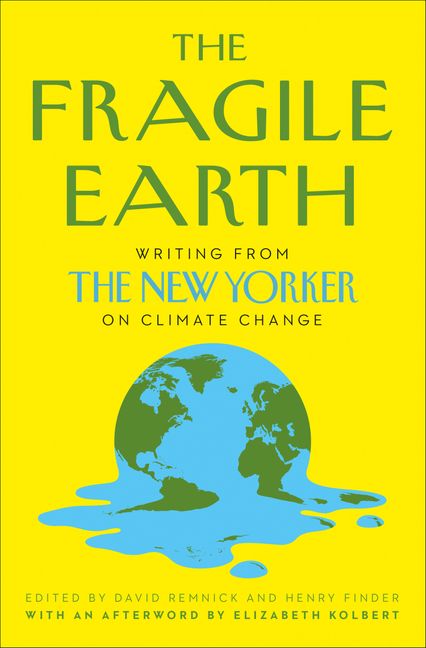
These are some research on existing book covers on any books related to climate change and earth, as you can see these are focused on typography or some very imagery, illustration. I liked the blue Naomi Klein book cover as it’s simple, bold the hierarchy makes easy to read and follow. There loads of different variations and colour schemes so thats a decision I need to make in which way to work on.

I also like this book cover which is so engaging and bright with the patterns on the sides, the centered title also makes it easy to read and really captures your eye. I like the different typefaces between the bold words as it creates a nice hierarchy and adds more texture to the design.

This is a book cover I do like but I want to stay away from these types of imageries as it’s already been done, it was good to do some research though to find out what root people were taking on the topic and interesting to see some different ideas. With this research I think I can start developing my design.

DESIGN DEVELOPMENT

The book cover now, the book cover below are the design used recently, I think it’s a really modern and simple approach to the brief, it is straight to the point with very legible typefaces and a very simple but significant image of a dead bee at the bottom. I think as bees are really important on the earth it is a way to overall communicate the effect we are having and the cause of our actions I haven’t read the book but I have read several summaries and to understand ato create a good cover page. I believe with climate change there is a lot of cliches and common imagery such as hand symbol, fire, earth, polar bear etc as these are the things I want to stay away from.

“Climate change is fast, much faster than it seems we have the capacity to recognize and acknowledge; but it is also long, almost longer than we can truly imagine.”
― David Wallace-Wells, The Uninhabitable Earth: Life After Warming

“We are only just entering our brave new world, one that collapses below us as soon as we set foot on it.”
― David Wallace-Wells, The Uninhabitable Earth: A Story of the Future

“This is what it means to live beyond the “end of nature”—that it is human action that will determine the climate of the future, not systems beyond our control.

I really liked this part of the sentence because it is a summary of the book, the book wants us to do do something about it and its only our actions that can change the things that are happening it all makes sense and so simple anyway as our actions has resulted in this so it makes sense how to stop it or make it better we have to change our actions. I think climate change scares me because it makes me worried for the future especially past couple of years its everywhere all the Greta Thunberg protests, Extinction rebellion protests on media its all becoming very real and it makes me worried for the future when your little you don’t notice anything but the earth is dying slowly and we us individuals need to do something about. I want to take the typographical approach, show in simple ways how our action is the most important how politicians needs to make these actions. As the original cover is also simple and modern I want to stick to that but the language can be more bold and stronger. The first attempts are blow.

I started to play aorund with chalk textures to give that rusty charcoal effect of fire and unhabitable feeling, the typefaces im using is Bee, which is a very long wide typeface which has a unique look to it, I liked the way it looked as a title and I arranged them in different positions to see how it would look like, the development on the right was a little draft Im playing with different positions such as the earth letters dropping off to the ground, one by one I like this effect its a small touch which gives a little meaning to the front cover.

The designs above show the first attempt on using typography and effects to create a modern approach to the book cover. I used marble and cracked textures on the typography as like broken landscapes, or like a dry land. Some areas will be waterless in future especially really dry countries. I used black and white text with dark rich orange to make it stand out. I clocked the kerning on the title to push it all together so make it less readable to emphasis the uninhabitable feeling.

This layout below is also another draft working on the same title, trying out different movements and layouts to see what works, I also added a small quote at the back which I liked like I said before on like a tower to give a good hierarchy and the wide typeface also looked okay. I used a different typeface for the other names and small subheading to add some contrast between the two typefaces.

These are the other designs which are more developed, I was a little confused on where to take it so i spent couple of hours trying out different things, layouts and this one I like the most which I will show the group. T back of the cover looks like this, I wanted a very simple way of showing the attention and effort into other things in life such as weapons war money than the real issue. Kind of like a timer, the black section is called “Time spent making military weapons and nuclear bombs” then the white small section is “time left to take significant actions to save our planet” I wanted to show the danger and emergency but using small graph like imagery, as the original book cover is very simple imagery used to communicate the emergency I think it would work well. However maybe the typeface is too bold to read the back as the text is too small.

Then I decided to change the colour scheme to more earth colours but in rich dark ways rather than positive. This front looks like this, the block quote sits in the middle, in a way that arranged reading from left to the bottom, the title is fitted into the block text to create like a box house like feeling, it is all pushed together into one, the book authoer name is positioned at the bottom and above is the other title on the book. I like the contrast between colours and the type imagery, its clean and it stands out as it doesn’t have very clicke images.

Feedback from Carol, she said that she likes the arrangement of the quotes its good to use it at the front as it will captures attention and be a bold thing that summaries the book. It was positive feedback she also mentioned that the reading the text she gets confused as her eye rolls over and the sentence doesn’t make sense so she said try out different combinations to work out the best one.

Reference:

The Uninhabitable Earth Summary

RSA – Development and competition submissions

Once I had my feedback for the RSA brief I was a little confused at first as Paul was the one giving feedback. He has some confusing points and suggestions so I had requested a little meetings with him on teams. We had a small chat and he suggested I should focus on the positive side of the exhibition which was to empower immigrants a little more as all of the campaign outcomes such as posters, billboards are aimed at the negative and hateful. He suggested to create positive posters with colours to focus on them as it looks one sided from the outcomes. I did agree with Paul as there wasn’t many outcomes aimed at immigrants just the name billboard campaign but that was also in the same style as the other target group.

I also wanted Davids feedback and perspective on my project, I showed him my work and he gave me couple of suggestions to develop the work more for the submission which was on 10th of march. The improvements he suggested were I should check out the NHS posters as empowering and positive when creating the posters for immigrants. He said that would give me good inspiration, also he suggested to I should make the billboard campaign with the immigrant names in after effects as if they are updating. I don’t feel confident with after effects but I did want to challenge myself. He also suggested to check some sentences and make some bolder on my website such as” We don’t like fake accounts” should be bolder for hierarchy. In addition, the biggest feedback he said he feels as the brief is asking me to bridge the divide together, the exhibition rooms as separate so they are still divided and it needs to connect together. He said think about a way to bridge the two rooms he suggested I should check out Led by donkeys as their work focuses on Twitter political and social media so it would be a good inspiration.

I had a lot to do but I do believe in my work and this project as it was a hard process when creating it but I did manage to create something I felt really strong and confident with. The next stage was to make these improvements and check out the brief for the submission requirements.

LED BY DONKEYS.

I did some research into led by donkeys and their campaign it was really powerful protests using short videos to communicate a message. They heavily focused on Twitter and politicians tweets to challenge the goverment. I think there work is perfect inspiration for my project. So from this I created a short video which would be projected onto a wall in London to attract my audience than just focusing on people with Twitter account as this will raise more awareness. The video is seen below I included tweets from certain politcians which have tweeted controvercial and hateful tweets that i also included in the exhibition space. The video is short and simple includes quotes from the exhibition space to also show the rest of the public who don’t use Twitter.

I was very proud of the video as my skills on after effects are very poor there are some areas I wish I could improve but I think it was needed in this project to development and to bring everything together.

The next stage I focused on the minor changes such as some sentence on the website and I wanted to create a mock up of how the verification would happen as seen below. The individual would receive a text including a code that they need to enter on the website. This mock up will be added onto the journey map as Carol suggested I should create one so the competition markers can understand the journey an individual would make to enter the exhibition and how it would work in the black tick filter.

The minor changes on the website are seen above, I highlighted the section “We don’t like fake accounts” to improve the hierarchy and communicate the message of the exhibition I think it works much better now.

The mock up below is to show how the exhibition projection video will be, I chose Tate modern as it has loads of visitors and it would be projected onto the wall. I was a very quick mock up just to show the way the video will work.

The next stage is the major change were I wanted to merge the rooms together and bring those groups into the same one screen. Going off from led by donkeys i thought what if these words are projected onto the virtual walls and then they disappear. I started to position all the words with after effects tools such as opacity by creating an effect were they slowly appear on the screen one by one. As seen in the video it is the same layout and text style but just moving rather than static image which i believe increases the effect significantly and imagine being in a room where words are appearing on the walls I think it would be really cool. i believe this way it would increase the visitors attention and they would be more engaging with the video. Looking at something that is static and flat is not so interesting but a moving words is way more intriguing. As seen below are the couple of scrrenshots from the process. I had some trouble positioning the words in the right angle as I kept dragging a psd file which made the software so slow so I contacted Matt so learnt a new way to use perspective tool on after effects which was the distort tool. I was then able to play around and get the right perspective. The final video is seen below i included the poem and the immigrant section as before I was very happy with the final outcome I think i was able to improve my skills a bit working on after effects even though I had some break downs in the middle. The next step was to create the boards needed for the submission. I went through the brief and planned on what needs to be on each board. I created a entire new exhibition system in couple of days which was very challenging and i was also working on my Fmp at the time so I fell behind on those. I’m really happy with the results I’m glad I spent all this time to make it look like this as I think it really came together now. The work load was big but I felt confident with the things I produced so I’m happy with the effort I put into this project considering I really really struggling which at point I thought I don’t think I can produce anything for it I was so stuck but looking at all the outcomes I made and working on the problems and challenges has been beneficial for my practice.

I also wanted to develop it more into the real life and create something that is beyong virtual into the real life. As I mentioned there could be people out there that spread these messages not just by Twitter or social media but when they are talking to their friends or in other platforms. Speaking to David he said think about using 3d text, so I looked at some exhibitions that have used 3D texts and tried to create them on illustrator using the 3D tools extrude and bevel tools.

I asked David for this feedback and he said he prefers the bridge one as it blocks the bridge which fits well with the purpose of the exhibition. But he said the 3d text wall needs to be bigger. The final image is on the board as my hero image. The 3D Text wall is blocking the bridge to show people these words are dividing us and the effect it can have on people. I was really happy with the outcome as it took me ages to figure everything out but I did really like it at the end.

POSITIVE BILLBOARD FOR IMMIGRANTS – PAULS FEEDBACK

In Pauls voice feedback, he said most of the outcomes are related to the dark side which is the negative and the billboard poster I designed initially was in the same style as the first room he said I need to show the celebration and empowering mood by using the same style I used on the second room so I also made a new poster for the billboards.

This billboard would be all moving, the names will come in and disappear changing frequently so people can quickly take a photo and share it with their loved ones or on social media using the hashtag #myhome. The billboard is bright and positive to catch peoples attention and show the positive side of the exhibition. These were the development stages and the final outcomes in a mock up. From left to right, final mock up.

RSA SUBMISSION BOARDS 10TH MARCH

Overall I was very happy with the outcomes I produced after the feedback I spent a lot of long hours making these changes and new outcomes to develop the project further. I really loved the topic I was working about and it was very close to my heart so I was passionate about making the best as I could.

FMP – Initial Ideas

For FMP I started to mind map the topics I would like to explore and as David also mentioned I should do something maybe that is missing from my portfolio. I know since second year I like working on social design and topics which are interesting to me. However, FMP is all about our brief, every decision is ours and we don’t get a list of outcomes we should produce so in that sense it’s very scary and broad. I need a project which will challenge me as I want to push my comfort zone and not pick something I have done before. I was aiming for a social or cultural project as my starting point was what am I interested in?

Ideation

This is the mind map I created on my interested focused on social cultural and all different types of topics. I also tried to add in topics I never covered before it fits into my portfolio. The main focuses on mostly political and social issues such as identity and gender. But also thought about social media, I know a lot of people usually focus on it as it’s a heavy topic in our society now and there is a lot to cover but I already did my exhibition data collection in year 2 and also RSA brief focused on Twitter so I think i will pass the social media topics. I will discuss in depth below which topics I find the most interesting.

Expectations on women- Last project in Criticality I had this idea of creating a speculative design on expectations on women, I believe in a capitalist patriachal society I felt like there are a lot of expectations on women to fulfil. This starts frm family life, the women making the home, also expected to have kids before shes 30 but also work and have a career. There are different levels of expectations on all areas of life and I think this is overwhelming. Women have to make decisions about their life choices depending on what the societies rules or expectations are. I don’t think I have ever focused on fully gender implications in graphic design, I think this could be quite interesting as well. The way women designers are under the shadow and they don’t get the spot light compared to male designers which are the dominators.

Another idea I had was focused on Femicides in Turkey, this is more political and social as it doesn’t really relate to UK society. Turkey has a real issue with Femicides, as I am turkish I deeply connect with this issue and I always follow the news. Turkey has one of the highest Femicides in the world and these issues will not be solved as the government doesn’t find it important enough. I have a deep knowledge on this topic as I follow Turkish politics closely and so does people in my house. I believe for this project maybe I could create a campaign which empowers and challenges the gender roles in Turkey. From this idea, I thought about traditional roles for women and men in Turkey, they are very out dated and as most poarts of turkey is very modern there is still deep rooted sexism in all areas in Turkey. This is because it is a very male dominated society with high percentage of MPs being male and under representation of women in politics. I believe this is a very heavy topic to work on as my final major project but I know I could create some powerful outcomes. This is an idea I would be passionate working on.

The other idea I had was I thought about this while growing up sometimes as I moved to UK when I was 8, at some points in my life I found it really challenging growing up in two different cultures. This is because at home we would be traditional Turkish family but the outside world, school, social life I would be living in British culture. I feel like topics such as home, belonging and culture are really topics I enjoy working on and I’m very interested in. Today we have been asked to write couple of sentence on Moodle about our idea for FMP, I feel like this topic is very broad and it can be developed in so many ways. It is very personal to me and focuses on my experience and immigration in many ways. I think this idea has huge potential and it brings together everything I enjoyed working on before.

5pm deadline

Stuck between two cultures – an exploration of growing up in two different cultures and belonging, how it has influences on shaping identity.

Critical design – Visual development

I started the visual development by thinking about different outcomes and what I want to communicate. I just wan to show that these assumptions are annoying and I want to raise awareness to these as its a boundary between us. Most create negative assumptions due to things people see on social media. I thought about where do people see these assumptions mostly are online some believe these stereotypes as they have never been and usually its people who never been there that ask the worst ones as they see an image or a meme on internet and believe it. You can see these stereotypes on movies such as on netflix, the turkish character is probably dark tanned tall has a beard. The visuals created for each culture and these are imposed on the viewer. These are common for other cultures as well such as British the actor will usually be tall very blonde no hair. We can also see them on advertisements to represents groups of people. These stereotypes represents and generalise a large group of people which can be very risky and problematic.

The outcome can be a book cover which has the title “everything (not) about Turkey” and just list of stereotypical objects places which people always assume. I think this could be interesting and easy to communicate. I felt like it wasn’t strong enough as it was too simple and the I need a stronger visual to communicate my purpose. The second idea I had was a instagram feed page which has everything stereotypical, as most of these are seen on social media which I could link to other and a page which is more humurous and not so serious as people tend to share things that when you make fun of it. I thought this could be fun to do and a different perspective. But I wanted to keep thinking about what I can make, the other idea was focused on post cards. The idea is that when people think about post cads its always linked to holidays, Turkey is a very popular holiday destination thats what people think of as mentioned in one of the tutorials. One of the girls in the meeting said that when someone say turkey she just thinks of a holiday. I thought it was so interesting and that the material is different I never really created an outcome as post card as the project is suppose to make us try new things I wanted to go with it.

I thought about what are the cultural stereotypes and started to research some as I already know a couple from speaking to my friends. One of my course mates suggested focusing on post cards as she said she thinks of holidays when turkey is mentioned which she said post cards could be a good idea. Some of the stereotypes I found or was asked was “do you speak arabic” or “can you read Arabic”. This is due to Turkey being an islamic country which people assume we all speak Turkish but Turkey moved from ottoman Arabic to latin alphabet in 1928. I read an article about a guy talking through about turkish alphabet and how its diffrerent to other keyboards. I found it so ineterstung and learnt new things that I never knew or thought baout. I was interesting because I didn’t know these myself and if someone wouldve asked i wouldnt know. I thought about doing something focused on typography and alpahet to show the difference but I feel like crtical design needs to be more challenging and powerful. It needs to be about an issue which is bigger or the visuals should be as well. Another stereotype is assuming all Turkish people are dark tanned men has beards and women wear turbans. Many people in turkey do have dark facial features however many people also don’t. So when people would meet me as a fair skinned Turkish person they always question as i don’t fit into the stereotype or the “image”of a Turkish person. These images are created through different sources mainly through internet such as social media, television, movies, adverts. Movies, adverts such mediums always generalize a group in society using stereotypical features to represent a group. Is this is an issue in representation image which I have also touched in my dissertation. I had a chapter which focuses on how in advertisements and other elements in graphic design representation is very important as it effects the way people see themselves and their position in society. The other stereotypes about Turkey as that we ride camels or camels are just everywhere. In the articles, people also assume that men can have more than one wives which is also related to religion. I realised these assumptions or questions are really frustrating. I want to raise awareness and get people to think about their assumptions. Gulmen’s work has been a huge inspiration to me and she has experienced similar issues. As I mentioned in earlier post, I want to focus on something I have experienced and show my frustration so I started to think about visuals.

The next stage was find post cards which is related to Turkey and different most popular destinations to draw peoples attention. I started to do the first initial designs as I have a tutorial with theo and carol.

first draft.

Once I decided on the idea ,I still feel unsure how the visuals will look but it will be the first draft and I do need some guidance. I felt quite lost as I was adding these questions which were asked so commonly onto these post cards but like there was no meaning I could see it myself I didn’t know what the messsage was yes they are stereotypes you hear but what was I trying to say whether are they right or wrong, or what am I disrupting or criticizing. the visuals were weak and I knew I needed some guidance. I like the post card idea and as its a different outcome which I never made before it was different to social media feeds or posters or booklets. The question such as you don’t look Turkish didn’t fit well with the post card image, I had to find a clearer message. I had a meeting with Theo and Carol and they were really helpful especially Theo, Carol thoughts the message wasn’t clear and she knew what I was trying to do but the questions and image didn’t link well together. Theo said he really likes the post card idea its different medium and work well with the turkey logo. However, he adviced me to decide on what am I trying to do what is my message he asked are you trying to show how frustrating it is and make people think or are you trying to answer these questions. I knew it would be raise awareness and show it is frustrating when people assume and ask these things which they can easily find out if they look at other things other than memes. Theo said he really likes the doner image and he said you can show your frustration with humor, manipulate and add things onto the image.These can be completely weird objects such as fruit or other products which don’t really make sense. I remember in Dunne and Rabys website they talked about importance of humor and how powerful it can be to challenge something. I liked the idea of editing the image, it was different and very simple. I believe I was trying to create something complex and several outcomes which was the wrong way to go with the project. Looking at the examples in the lecture it showed to communicate something I just need a simple visual and a clear message. I felt more motivated and carried on working on just one visual which was the doner shop.

Visual development

I started working on new images, the image below was the first attempt, I tried to add ice creams onto the doner meat to replac it. I added a cone to finish off the image I think it works well and it looks quite odd as you know its not an ice cream but i am playing with people and manipulating images to show this. I think the only issue is the color of the ice cream is too much like doner meat very similar colours. I think once I change this it would work much better. I think its a very simple idea but it works and communicates much clearer than using words. As theo mentioned why don’t you show it rather than telling us with words. People assume that I eat a lot of kebab etc so why don’t I show you don’t or use another product related to Turkey which not many people know. One of my memories was having ice cream in summer so I wanted to place it as thats my favorite as it doesn’t make sense next to a grill.

I then developed the image by using a different colour so it stands out much better and I think I like this version much better than the first one. It works well and in your face as its so much of it. Im not going to words to tell anything so people can question what this means and what im trying to say. I want to make few more examples so i can see where it goes.

The next photograoh I was working on was the phtograph below. I really liked this image as it just showed an essense and I knew I could add few elements onto it. The first draft is below on the right I added some fruits to over the meat and as if its hanging down and the man is cutting it. The second bar is holding a wedding cake as if its meat. The image shows two products and I think it looks good. The cake section is my favourite as the bottom part really looks real as its it hanging. I want to try other variations and show these to Theo to meeting tomorrow see what he thinks about it.

The next version I was I was cutting on parts but I just liked it this way, it was like you already know what is it with the context of the background and the guys standing around but this simple version was also effective to show. I feel like i want to try on words as well as the it will be easier to communicate. Maybe add some quotes or phrases used by many people.

This version as I liked the cake on the second section as it was thinner and fitted perfectly so I cut the images and swapped them around. I think this works well but I do prefer the original image as you can clearly see the action. I think the next part is add some text and see what kind of effect it has on the image.

This was the version which I liked a lot, from the cut ours I added some phrases and sayings which were frustrating but also trying to educate and give some facts. I like the way the image looks and it communicates clearly.

meeting with theo

earlier I had a meeting with Theo and he said the three versins are good and I said Im struggling to decide on which one I want to use. he said he really likes thecake version and the cut out texts. So he suggested I should merge the two images together as he suggested people read left to right so the cake would make them think and kind of shock even laugh so then they can read and realise what its about. This makes it easier to communicate what Im trying to do. HE also suggested i should print these post cards out and send it in real once lockdowns over. He said once I do this and they can send it back and I can photograph for my final portfolio I think it would complete the project.

merging ideas

final outcome

These are the final outcomes on both front of the post card but also the back. I didn’t do much development as I did some research on how post cards are suppose to look. I used the same style of working on my ipad and hand written type to make it look more realistic. I like the simple layout at the back and I added the note and made a comment to emphasise “they think we have kebab for breakfast” I think i was exaggerating the issue to get people to think about it. When its exaggerated it makes you aware and question do people actually say these kinds of things. I was kind of making fun of the assumption which I think works well.

evaluation.

I believe this project was an eye opening project which showed me different ways of working and how I cant always or need loads of outcomes to create a project. I was over complicating thinking about serious of posters etc whereas I realised other people in the course kept it so simple and clear. I think it was hard being away from studio not having much contact with other peers which felt disconnected. However, it was really good to try something different a different approach and I realised I was quite lacking in this type of design. I think for future I want to research more into critical design as its a new concept and develop my knowledge and work. In addition, hopefully with feedback from Theo and Carol I can develop my outcome for the final submission. Overall, i learnt new ways of thinking and pushed my comfort zones with this project which I believe was the aim.

References:

https://theistanbulinsider.com/know-your-doner-kebap-history-overview-and-selected-dishes/

https://en.wikipedia.org/wiki/Doner_kebab

Critical Design- Artist Research

Esra GulmenThe brilliant questions I get asked because I am Turkish, 2019

Esra Gulmen is a Berlin based Turkish designer, I found her on when there was LGBT protests in Turkey and she created a work based on how turkish politicians are brushing these issues and inequalities under the carpet as it is a saying in Turkey. A lot of people were showing their support and creating art works to challenge the government. That’s when I came across Esra Gulmen, she is a very talented designer I am a really fan of her work which she covers many different issues sometimes it’s just basic daily life issues which we all find annoying or complain about, whereas sometimes it’s focused on politics, social or environmental issues.

she has a really distinct illustrative style which I really like, my style has never been very illustrative I always prefer expressing myself with words and typography in most of my projects. However, Gulmens illustrations are so simple and she also uses words to show her work. Instantly, when I decided I want to focus on cultural stereotypes, she created a similar project focused on her experience as a turkish designers living in Berlin. She created an exhibition focused on questions which gets asked a lot when she tells people shes turkish. The work is mostly illustrative using ink and she uses simple symbols are communicate frustration. Cultural stereotypes can be a boundary for designers and other people are it automatically creates scenarios for people and they fit you into category. To challenge these cultural stereotypes I think is a very good way to approach this brief. It is also something personal that I have also experienced.

Gulmen explains her project as ‘’Oh, but you don’t look Turkish!” – That’s the reaction I usually get when I tell people where I’m from. At first I thought it might be a compliment, but over time I started thinking: Wait a minute, how am I supposed to look if I come from Turkey? Or if I am German? A couple of months ago, I saw a meme on that topic: ”They say I don’t look Turkish. Should I look like a Döner or what?” Maybe I couldn’t convey something that funny, but I wanted to communicate it in my own way, about all these stereoypes. So, I collaborated with BOLD Berlin and created a collection that asks a question upfront in hopes of starting a new conversation and spread the message to the streets: ”Don’t I look Turkish?” In doing so, we wanted to draw attention to discrimination and prejudices and we knew a lot of German friends face the same issue, and we created something for them as well, and this time they can ask : ”Don’t I look German?”.

When I was reading the purpose behind the project I could really relate to it and I was connected instantly. I as a turkish designers living in UK basically all of my life, get these reactions and questions. I want to develop on this issue and maybe create somthing again heavily influenced by Gulmen who created a strong and powerful exhibition.

These are my favourite works from the exhibition:

The way she has communicated thee questions are very simple and modern. She focuses on the simplicity and directness of these questions. Some can be very rude and annoying yet she describes them as funny sometimes if you can see from the humorous side such as the meme she saw on instagram. There are so many cultural stereotypes for each ethnicity and its hard to focus on all of these stereotypes so I wanted to focus on something that is personal to me and things I have experienced.

Jihee Lee

He focused on cultural boundaries from stereoptypes, “On the homepage of dafont.com, the largest online archive of freely downloadable typefaces, users have their choice of categories like “Fancy,” “Techno,” and “Gothic,” as well as one called “Foreign Look.” Within the latter, a “Chinese, Jpn” section (Korean and other Asian languages are not included) lists fonts like Black Chob, O-Wee-Ental, and Manga. “By browsing these typefaces, you can see how ‘Asia’ is perceived to the eye of Westerners,” says the South Korean graphic designer Jihee Lee, who has been based in Germany since 2011.” His work has been a huge inspiration because I was designed beautifully its bold and powerful. It has everything that people instantly think about seen in dafont page. I tried to do the same thing and searched Turkey to see what kinds of typefaces would come up but there was none. I think people assume we still speak arabic in turkey or they expect me to read or know some of it which is very interesting. They identify Turkey as countries such Iran etc. Jihee Lee created posters which communicate the stereotypes and by using these symbols how they are boundary to people and designers.

“Revealing the ways that stereotyping and racism can become normalized behavior, both in visual culture but also during everyday public encounters, is something that Lee has been focused on ever since moving to Germany. In 2016, irritated by numerous aggressive encounters, Lee found herself swapping stories at the Burg Giebichenstein University with a student named So Jin Park. “We came up with the idea for a platform where people with Asian heritage could share their experiences,” says Lee.”

He combined his purpose and message with really bold use of typography and layout systems, as posters they are so good, with short phrases of stereotypes such as “gonnizziwa” which many people shout out to be funny. These things are part of micro aggression and many asian people experience it daily when they are in a foreign country. I was trying to find examples of work but I was struggling I believe not many people focus on these isses, people always experience it but nothing really gets said or done. It is normalised and I believe this is due to media. Media image is very important for each country and they use symbols or visials which the viewers will most likely interact with so they choose certain objects. For turkey it would be turkish delight or holidays, people always think baout hrese things when you say turkey as Turkey always advertises themselves as a holiday destination and it was chosen by turists a lot.

Cultural appropriation: can designers ever responsibly “borrow” from other cultures?

The cultural crisis experienced by Oberoi is echoed by Sadie Red Wing, a Native American student advocate and retention specialist and indigenous design researcher). Her work in higher education institutions, she says, pushes for Native Americans “to be classified as designers instead of ‘primitive’ artists”.

That Native American design aesthetics are rooted in symbols, icons and pictograms, Red Wing says, is certainly attractive to some designers. Playing around with these elements doesn’t inherently cause a problem, but when designs “resemble a family tree or signifies the specific group of people in a region”, they need to be treated with a level of respect, she says. “I notice many objects use symbolic tribal motifs to decorate something that has no relation to the Indigenous culture,” she says. “When those patterns from historical artefacts are taken without reference to where they came from, the visuals being communicated are not educating the audience on cultural distinction, [which allows] that demographic to be forgotten or misrepresented.” I think this issue is very important as a culture or group os exploited as the meaning is lost when it becomes a commodity for the consumerist companies. These symbols are all heritage and belongs to groups whereas companies use it to as an aesthetic.

Cultural appropriation – the unacknowledged or inappropriate adoption of practices and aesthetics of marginalised peoples by more dominant groups – is an issue that has gained plenty of attention in recent years.

references:

http://esragulmen.com/

Critical Design- Ideation mind maps

After the briefing lecture, I went away and started to think about potential ideas for this project. The lecture as mentioned before I was quite overwhelming and full of examples. I am very interested in social design and focusing on things that are important to me by this way I feel like I approach the project with more enthusiasm and feel more motivated. However, this might not always be the case in future which is fine too. As theo said, this project is all about what we want to do and we can approach it in any way as the deliverables are not specified. there are no list of outcome which is what we are used too since first and second year. This was scary at the beginning as I like working with a brief which tells me what it needs at the end as it’s a way to start. However, the purpose of this brief is push our boundaries and try something different. It was suppose to allow to make decisions ourselves and decide what is best suitable for our project.

The first initial idea I had was focus on how we all have a perception of different cultures and these are mainly stereotypes. I could relate to this as I know that when I tell someone I am turkish they instantly have a several assumptions. These assumptions are created in many ways. I think for this project I could critize these asssumptions and challenge peoples thoughts. As the project is suppose to challenge something or disrupt. This idea I believe can be developed further. I want to discuss it with Carol in the group tutorial which hopefully I can get some feedback. I am not sure what kind of outcome I can create for this idea but I think it will be interesting.

The other idea I had was focusing on gender ideas, as this is also something I am interested in and never really focused on it in any of my projects. The idea would focus on challenging expectations of women which I think is overwhelming and a lot. This would be like women have cultural and social expectations they are expected to fulfil these roles throughout their life. There is pressure from family and also other social factors, such as fitting into a “good girl” doing well in school, getting good grades, having a good social life, looking pretty and well, having a perfect body. I find all these expectations quite overwhelming even personally. I thought about these expectations vary depending various factors such as social class, culture, educational background, family type. the place you live. These are all factors which effect expectations on women. I thought about focusing on Turkish women and how they have cultural expectations on them. Culturally Turkish women are put into a lot of pressure form their family and society to fit into the roles they construct. These roles are “good wife” “good daughter” “good girlfriend” etc. They are require a certain types of behaviour which the society accepts and if you don’t accept these norms you are then seen as a rebel or “bad”. which results in neglect.

The third idea links to the expectations but this relates to contraception. Women are expected to protect themselves after sex by using pills or other types of contraceptions. These contraceptions effect women in so many different ways as they have side effects as you are altering your body and hormones. Many girls hate being on the pill and on social media often people share their experience where they mention things such as mood swings and how it changes their body. This made me think about we are altering our body to protect ourselves whereas the men doesn’t have to do much. It’s like a “bad drug” where we have to take it but it has negative effects on us. This seemed unfair to me and many girls can relate. I think the purpose of this idea is to challenge the way women are expected to alter their natural state of body. I was speaking to Georgia, we had a teams call where we spoke about our ideas and tried to help each other as we both agreed, due to pandemic we will so isolated and disconnected form university and our course. Me and Georgia liked working in our studio and would spend a lot of time working and exchanging ideas this helped out creative process which motivated us. This year has been very tough and I wish we had the normal studio space to motivate us.

The other idea I had was focusing on social media, this started from the last project how from my research I realised we are all in our eco chambers on social media platfroms just like bubbles where we see the things we want too and ignore the things we dont want to see or doesn’t fit into our beliefs. We have easy access to everything and also there’s issue with fakeness how everything is played around to perfection. However, I know that many people will focus on this and it is a common issue which many people always bring up. So for this I decided to stay away from social media issues and focus on something different. Also, my RSA brief I had to work on social media issue anyway so I want to develop myself and try something different this project.

I had loads of ideas and I just feel so confused as I had no idea which one to go with, I had a meeting with Carol which she really liked the idea on cultural stereotypes and perceptions as she said it’s different. She suggested I should also look into ethnicity boxes, she said they are always problematic as it puts people into categories and if it doesn’t it issues them to “other”section. She said that there was issues on Arts council funding on cultural groups as people had presumptions on some ethnic groups and this had a negative impact on funding groups. There are loads of things I could focus on and I want to research on them as I think they are interesting.

Critizing gender issues – body image

For couple of days, I focused on gender issues and wanted to do some research onto existing work for designers. How can I critize these issues using the critical design approach. I am stuck between two ideas either women issues or culturral stereotypes. I was leaning more towards the gender focused on women so I started to do research to give me inspiration.

Anja Kaiser – To    Whom Do I Owe My  Body?

Kaisers work is very critical and i found it so interesting. She focuses on various issus related to women and their bodies. Her website is so unique and she came up from one of the artciles about critidla designersm she combined her design with research with various didferetn examples. Kaiser focuses on issues such as body image and how womens body is used in several different ways. This would be to indentify you as a costumer and detect each part of your body for a data or your body as a corporate product.

“Bodies become a matter for detection, to track the distance of facial features and the facial contrast to succeed in predictive marketing by new information technologies. Human-made algorithms performing the heterosexual norms, to address men and women in their traditional roles as consumers. The palette of diverse self-expression is denied by basic binary categories of being either male or female — a technical process of normalization that allows a certain target group to access a predetermined choice. Technology so far cannot take into effective consideration a body that sticks out from the standard algorithms. The body and its features are pressured to conform to or be excluded from the system, which uses outdated “traditional” patterns from which the models take their shape. As soon as human expression becomes quantifiable, it will be recorded and optimized for any economic, bureaucratic or ideological purpose.”

After a lot of thinking, I decided I don’t want to focus on gender as I spoke to Carol I told her I was struggling with outcomes, she adviced that I have good ideas just to focus on one single one and move on to visuals.This was due to time issue but also I was thinking about several different ideas and concepts it was so overwhelming. She said my cultural assumptin idea was really good and that there was things that I could develop from them. So I decided I will be focusing my project on critizing cultural assumptions and stereotypes focused on turkish people But, using my experience, I have created work similar to this issue in the past but not from a critical designer perspective. This project has been very challenging and tough, which Carol said it was suppose to be as they are pushing us to figure things out just like how we would in real life if we work in a studio. I have struggled with decision making and I guess after the meeting with Carol I felt really stressed out which made me just pick something on move on which was positive I guess.

The next step is to research on cultural issues in critical designers, which I already have one artist which I really like and I know it will be beneficial for me. After the research, ideation for the outcome and visual making.

references:

https://www.itsnicethat.com/articles/anja-kaiser-undisciplined-toolkit-graphic-design-160420

http://www.anjakaiser.info/

Design a site like this with WordPress.com
Get started